Smart pet sourcing · OEM/ODM and fulfilment enquiries Share your market, specifications and delivery plan
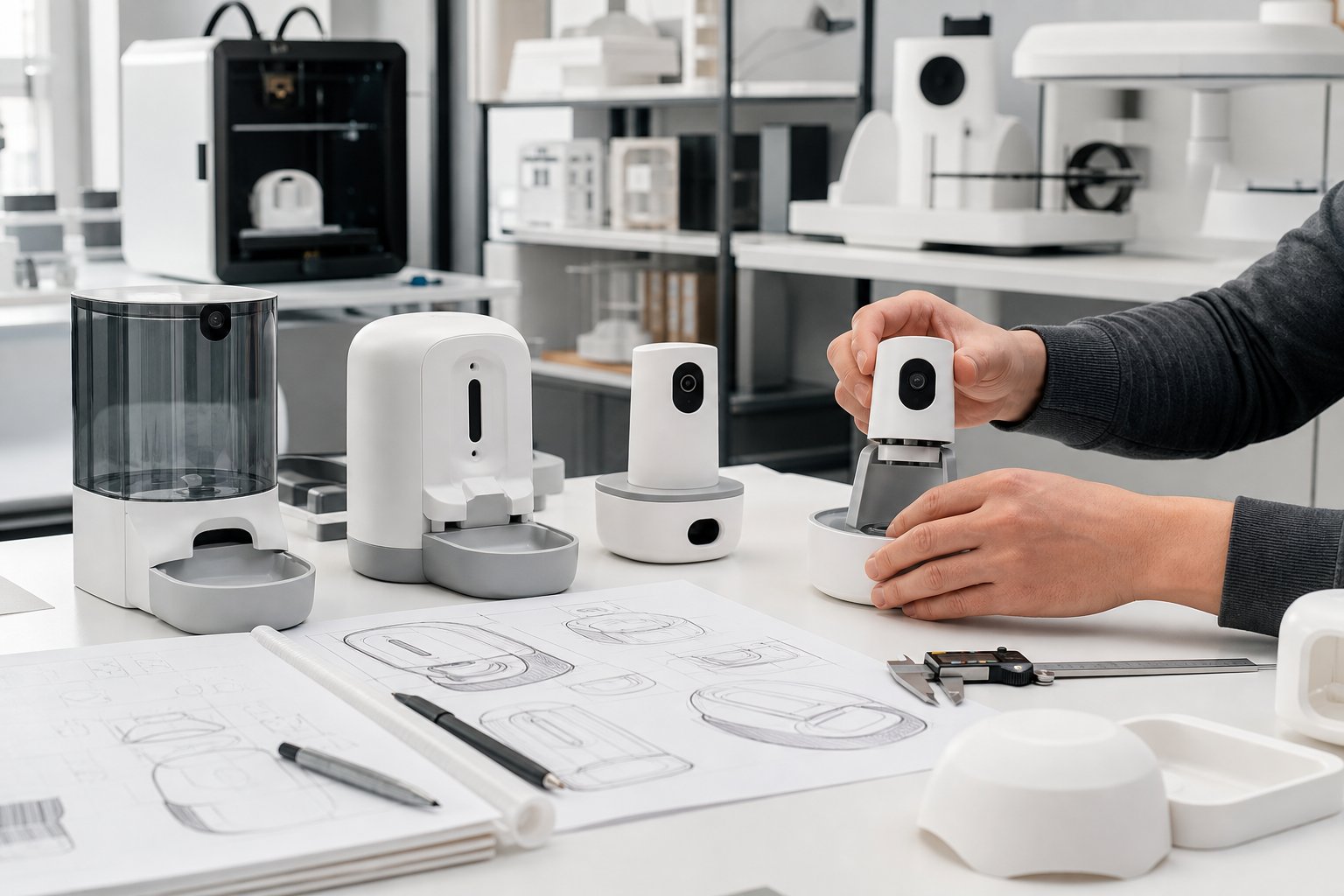
Illustrative smart-pet devices and product development scene; confirm actual manufacturer and model
Home / OEM / ODM
Smart-pet product development · Supplier selection · Private label

Specify the product. Approve the evidence. Control the change.

Build a buyable smart-pet device around an identifiable model, sample, evidence file and service plan. Choose the level of customisation, assign approval responsibilities and request a supplier-specific quotation before committing to a launch.

01 / Procurement scope

Three development paths. One documented approval trail.

An OEM/ODM request becomes comparable only when the buyer and supplier agree which decisions belong to an existing model, a controlled adaptation or new development.

01 / Existing model

Private label and packaging

Start with an identifiable existing model and hardware/firmware revision. Ask which branding, colour, packaging and instruction changes the proposed manufacturer actually supports. Approve the physical sample and artwork before a purchase order. Stock, minimum order quantity and unit price are quotation-specific.
02 / Controlled adaptation

Component and feature changes

Define exactly which pump, sensor, battery, radio, enclosure or firmware behaviour changes. A component substitution can alter testing, documentation, app behaviour and service parts. Separate adaptation engineering, tooling, sample rounds and the commercial production order.

03 / New development

Tooling, software and ownership

For a new design, define drawing ownership, tooling title and access, firmware and app rights, accounts, hosting, data responsibilities, revision control and exit terms. Have qualified specialists review freedom-to-operate and applicable safety questions for the actual design and destination.

02 / RFQ brief

Give suppliers a specification they can price.

Send the same baseline to every proposed manufacturer. Unknowns should remain visible as open items with an owner and decision date.

Intended use and customer

Identify the animal, user, home or commercial environment, target country and sales channel. Explain the customer job the device must perform and any foreseeable misuse that needs review.

Actual model and revision

Request a manufacturer, model identifier, hardware version, firmware version and app or cloud service reference. Avoid comparing devices from photography or category names alone.

Technical configuration

Record power supply, radio/network type, materials with intended contact, replaceable consumables, dimensions, noise or water claims and the conditions under which each performance claim was measured.

Commercial scope

Set a requested quantity range, assortment, packaging format, delivery point, sample quantity and target launch window. Ask suppliers to quote exclusions and validity separately.

03 / Approval workflow

Move from shortlist to repeatable orders.

Ask for real model references and evidence at each gate. Timing, price and minimums are confirmed only after the relevant configuration and scope are understood.

01. Define and compare

Issue one requirement matrix to candidate suppliers. Mark mandatory features, open questions, intended market and evidence gaps. Request the same scope so costs and omissions can be compared.

02. Sample and test

Identify the sample version. Agree functional checks, use conditions, safety review, acceptance owner, failure handling and written results. A passing sample does not by itself approve later substitutions.

03. Close the market file

The importer and qualified advisers determine which requirements apply to the exact product and destination. Match declarations, test reports, labels, manuals and battery/shipping information to the tested configuration.

04. Approve production scope

Sign off the golden sample, bill of materials, artwork, packaging, inspection plan, authorised substitutions, ship-release records and change triggers. Confirm lead time and quantity only from a current model-specific quotation.

05. Reorder and support

Preserve revision history and service-part references. Agree defect triage, returns, firmware updates, consumable replenishment and the person who approves any later change.

04 / Category engineering

Different devices carry different review questions.

The product family determines which materials, moving parts, connected services and service plans to investigate. These are questions to close with the proposed manufacturer, not claims of universal in-house capability.

Feeding and water

For feeders and fountains, discuss intended food/water contact, cleaning, filter or pump replacement and evidence relevant to the exact materials. Use agreed food and operating conditions when sampling.

Cat-care and grooming

For automatic litter boxes and dryer enclosures, ask qualified specialists to review moving parts, animal access, sensor failure, airflow, temperature, supervision and instructions before launch.

Connected cameras and trackers

Separate hardware from platform services. Define account control, privacy, network compatibility, coverage, subscriptions, firmware updates and what happens if a service changes or ends.

Wearables and play

Review size range, attachment, accessible parts, battery access, materials and intended animal. Training features and welfare claims require destination-specific and product-specific scrutiny.

04A / Commercial model

Separate price, development cost and ongoing service.

A single unit price conceals costs that arrive at different points in the product life. Ask each supplier to use the same delivery term, configuration, quantity range and validity period; then compare the commercial schedule line by line.

Sample and engineering

Quote prototype units, engineering time, tooling, artwork, test setup and extra sample rounds separately. Define the deliverable and approval condition for each payment, and specify what happens if a sample fails.

Recurring unit and shipment cost

State the bill-of-material configuration, packaging, carton dimensions, inspection scope, transport basis and destination assumptions behind every quantity break. Record what is excluded from the quote.

Connected-service cost

For cameras, trackers or app-enabled devices, separate setup charges, cloud hosting, connectivity, subscription and update/support costs. Confirm who contracts with the end user and how service continuity is handled.

After-sales exposure

Budget consumables, spare parts, replacements, freight on returns and customer-support work. Specify warranty terms only when the proposed manufacturer and sales channel agree them in writing.

05 / Supplier evidence

Ask who makes, tests and changes the device.

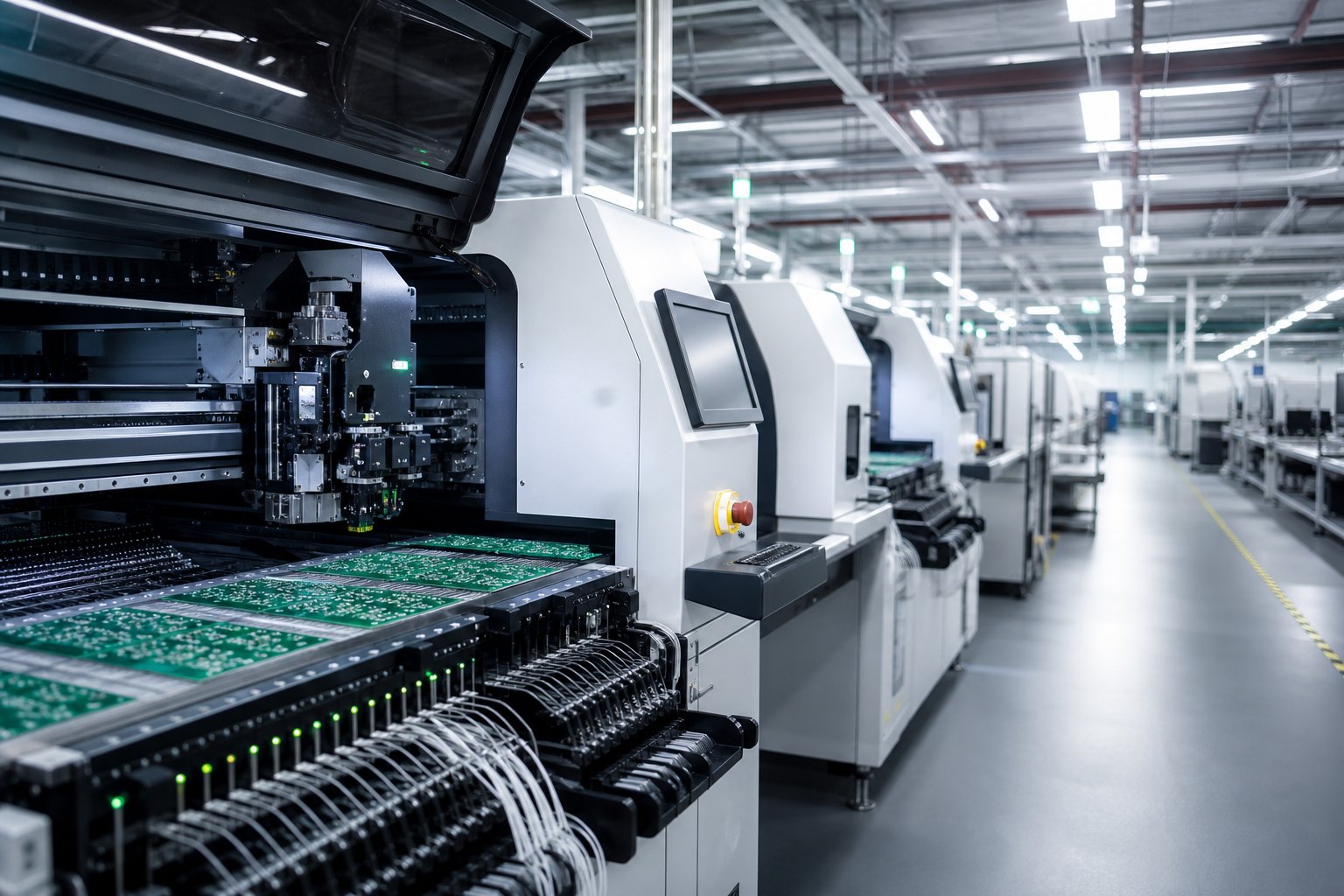
Industrial clusters can help source components and manufacturing options, but a regional name is not proof of a particular factory or capacity. Request factory identity, process ownership and a visit or third-party review where needed.

Illustrative smart-pet manufacturing and assembly environment; verify the proposed supplier and site before ordering
  • Identify the legal manufacturer, actual production site and outsourced process owners for the chosen model.
  • Request an equipment and process list tied to that site; distinguish supplier statements from independently verified observations.
  • Agree incoming-component controls, in-process checks, end-of-line checks and sample/lot record access for the actual order.
  • Define who approves firmware, radio module, material, tooling and packaging changes.
  • Review carton dimensions, shipment handover and return/service routing before the first purchase order.
05A / Evidence file

Make every claim traceable to the shipped configuration.

A report is useful only when its tested product, accessories, versions and stated scope match the item offered for sale. Build an evidence index that links the quotation, sample, artwork, manuals and shipment to the same revision. If a report covers a component or different model, mark the gap for review.

Product identity

Store model name, revision, bill of materials, component references, photos of the approved sample, label artwork and serial or lot marking method. Keep the effective date and change owner visible.

Verification record

Agree test methods, acceptance limits, samples, dates and responsible laboratory or inspector for the relevant functions and hazards. Ask for exceptions and failed results, not only a pass summary.

Market and transport review

Have the importer and qualified advisers decide applicable electrical, radio, material, battery, privacy and destination obligations. Confirm which declarations, labels and shipment documents apply to the actual route.

Customer and service material

Approve translated instructions, warnings, maintenance steps, consumable references and support contacts against the actual model. Keep listing claims within the evidence and operating conditions that support them.

06 / Buyer type

Align approvals with your channel.

Each buyer needs a different combination of launch documents, commercial scope and after-sales ownership. Name the decision maker before requesting a production quotation.

Brands

Own the product brief, claims, artwork, golden sample and change approval. Request documentary rights and a clear process for later supplier or component changes.

DTC operators

Test setup, app account, consumables, returns and support in the same environment customers will use. Include recurring service costs in the margin model.

Marketplace sellers

Match the actual model, listing images, features, packaging and marketplace evidence before publishing. Do not reuse another configuration’s reports.

Distributors

Build reorderable SKUs with version and spare-part references. Agree notification and sell-through treatment when hardware or software changes.

Wholesalers

Quote consistent configurations and carton specifications across quantity breaks. Keep product cost, packaging, inspection and transport separately visible.

Retailers

Approve shelf pack, labels, manuals, demo sample and customer-support route for the specific destination and channel.

Sourcing agents

Create a comparable supplier matrix; preserve who verified each sample, report and exception, and who authorised release.

Project buyers

Document site conditions, commissioning, acceptance evidence, training, spares and service handover before committing deployment quantities.

07 / Quote package

Request a quotation your team can approve.

Tell us the product category, intended market, buyer role and stage of development. We can structure the enquiry around the proposed model and the supplier evidence still needed.

  • Model and revision or product concept; intended animal and operating environment.
  • Target country, sales channel, volume range and required delivery point.
  • Mandatory features, app/cloud scope, materials, packaging and language needs.
  • Sample and test scope, approval owner, evidence gaps and change-control requirements.
  • Commercial exclusions, tooling/engineering line items, replenishment and support responsibilities.

Start with the decision that is least clear.

A useful first enquiry can be incomplete. Mark open questions, and request a supplier response that identifies assumptions and evidence gaps.

Discuss an OEM/ODM brief

Email: [email protected] · WhatsApp: +86 195-6034-1319

08 / Purchasing questions

Questions to close before committing an order.

Use these answers to frame a supplier-specific enquiry and a reviewable approval record.

What minimum order quantity should we use?

There is no universal minimum for a smart-pet category. Ask for a current quotation for the actual model, configuration, quantity, packaging and development scope. Stock, component availability and tooling can change the answer.

How long do sampling and production take?

Request a dated schedule after the proposed manufacturer confirms the model, engineering work, sample rounds, test scope, components and order quantity. Record milestones and dependencies rather than relying on a fixed category-wide lead time.

Can one certification pack cover every destination?

No. Applicability depends on the model, radio and power configuration, accessories, intended use and destination. The importer and competent specialists should review the evidence and resolve gaps before a listing or shipment.

Who owns a private-label app and the customer data?

A branded launch screen does not establish ownership. Agree account administration, source and object-code rights where relevant, hosting, data roles, updates, support, termination and portability in writing.

What if the factory proposes an equivalent component?

Compare the proposed substitution to the approved bill of materials and tested sample. Revisit functionality, fit, safety, documents, labels and service parts that may be affected. Require written approval before treating it as equivalent.

Can the images on this page be ordered as shown?

The images illustrate product categories. Request a proposed manufacturer and a sample of the actual model and revision, then approve its current specification, appearance and commercial terms.