Who this is for
- Connected-pet brands
- Pet specialty retailers
- Marketplace and DTC sellers
- Distributors building smart-home ranges
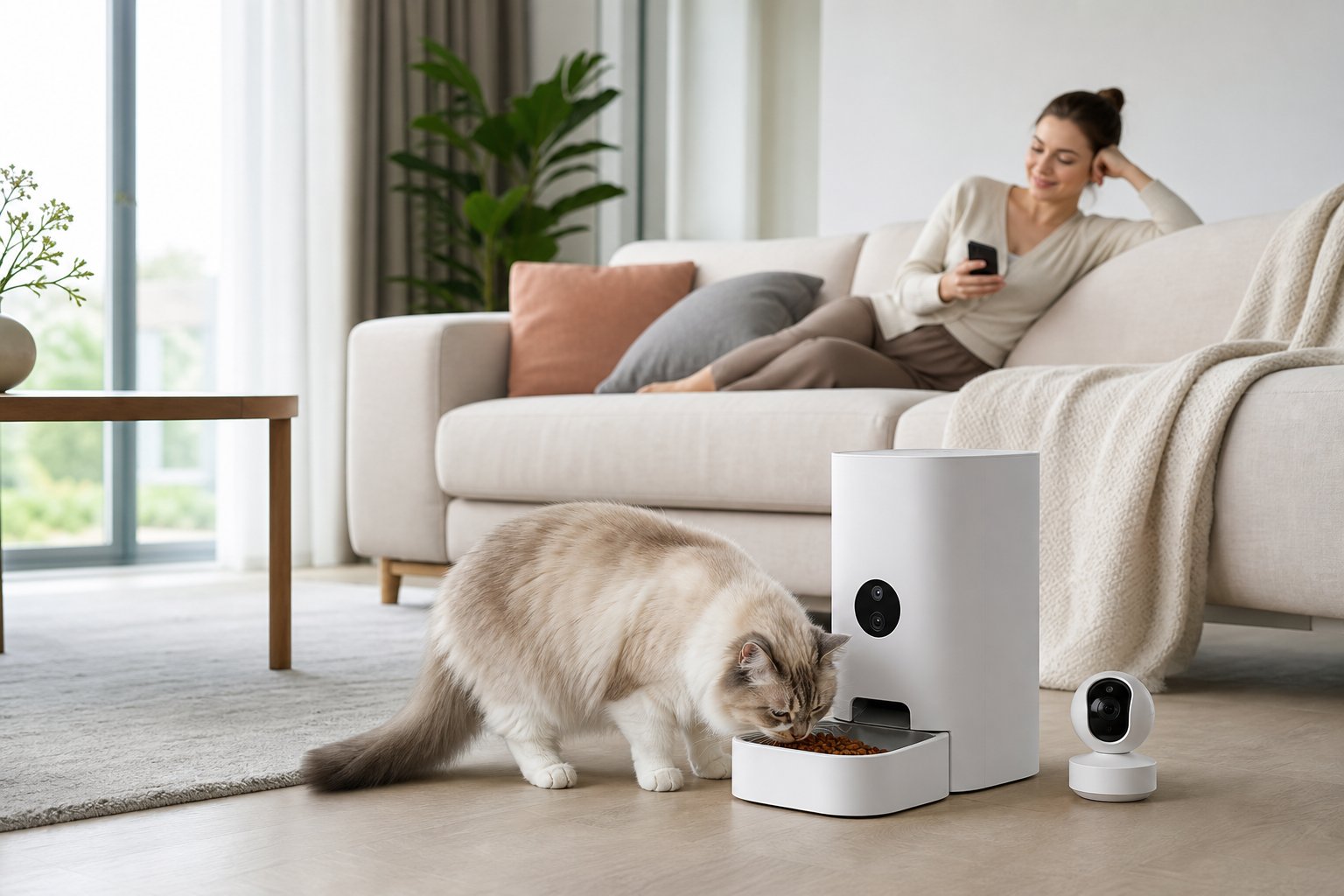
Plan feeders, fountains, litter boxes and connected accessories around how pets and owners will use them. Bring the device specification, app responsibilities, supplier evidence, packaging and delivery requirements into the same sourcing discussion before approving a pilot.
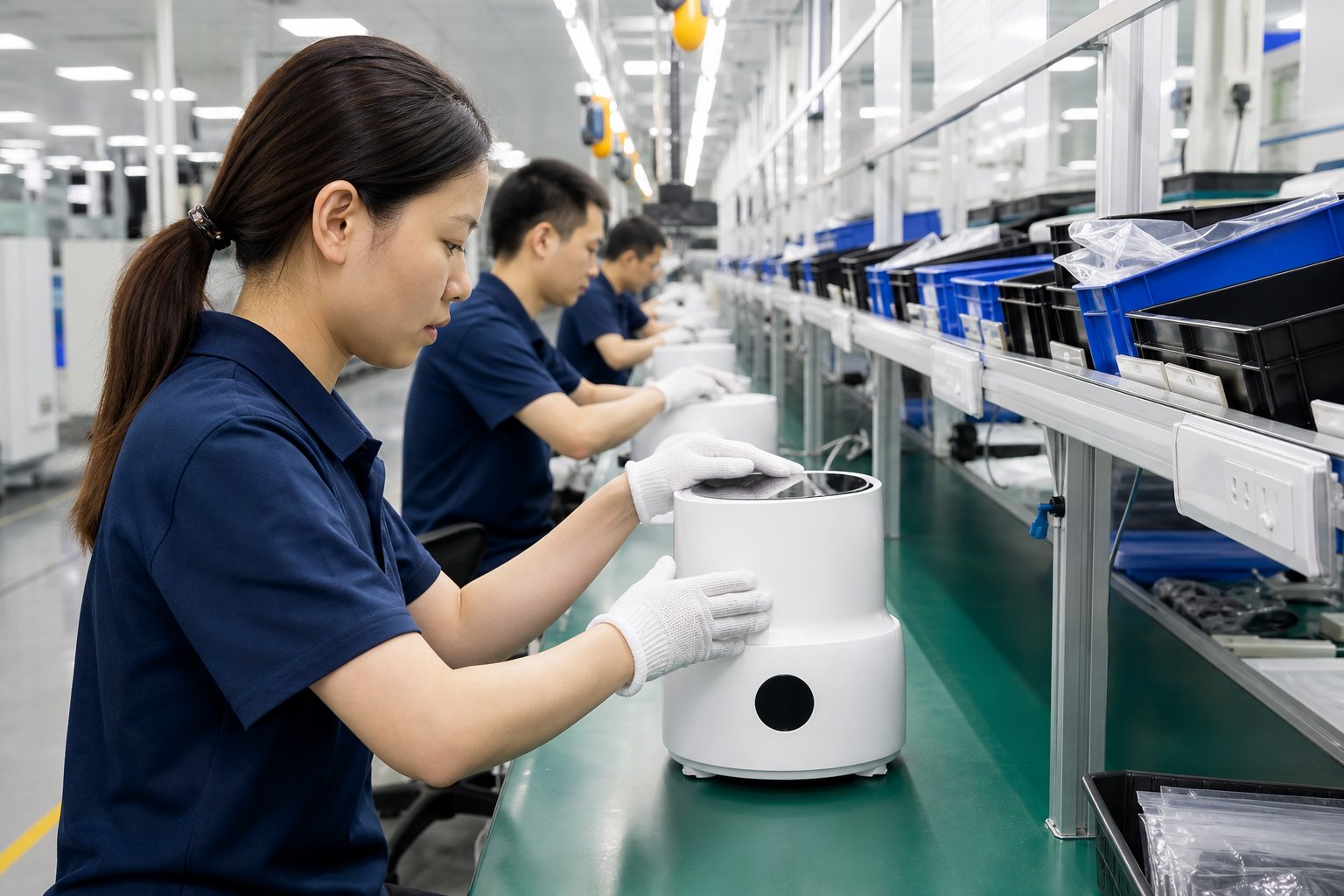
Feeding accuracy, pump noise, cleaning access and app connection affect different parts of the buying decision. PAWORIGIN handles smart-pet sourcing enquiries. Review the proposed manufacturer's responsibilities, component choices, production steps and inspection evidence for the actual model rather than assuming every process belongs to one factory.
Process and component images are illustrations. Request dated photographs, site details and inspection records from the proposed manufacturer.
Shenzhen, Dongguan, Cixi and Chenghai offer different manufacturing contexts to investigate. The regional examples below guide supplier research; they do not establish PAWORIGIN factory ownership, contracted partners or production capacity. Check the actual manufacturer's location, equipment, subcontracting and model experience. Textile accessories and order consolidation need their own supplier and service checks.

Shenzhen's government describes local development of smart feeding, pet cameras, automated litter boxes and wearables. For a proposed supplier, request the electronics design scope, PCBA manufacturing location, firmware responsibilities and working-sample evidence.

Dongguan's 2026–2030 pet-economy plan identifies smart-pet electronics as a priority within its manufacturing base. For a tooling or moulding proposal, establish who owns and maintains the tool, where parts are moulded, which resin is specified and how engineering changes are approved.
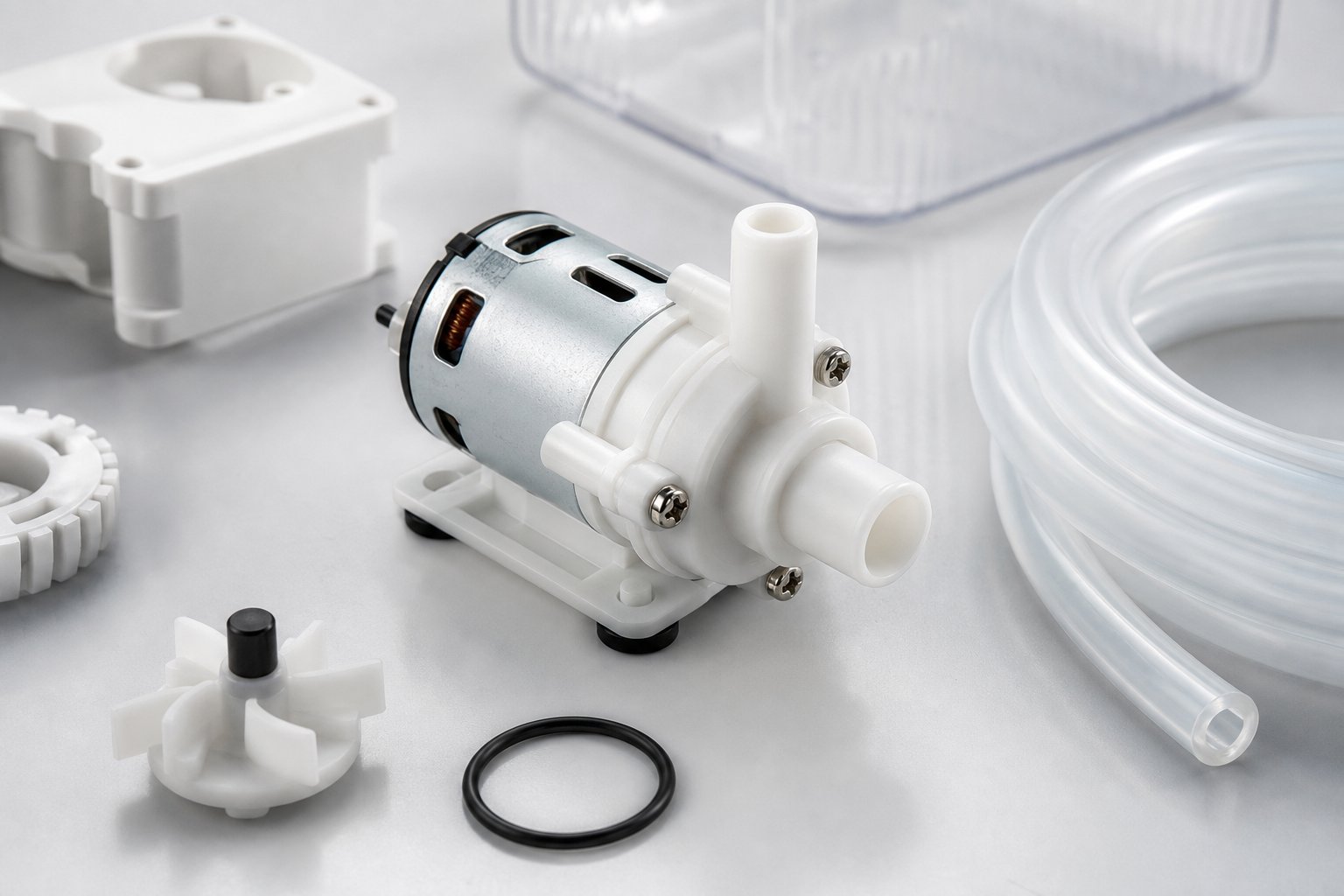
A January 2026 People's Daily report, republished by Fujian's industry authority, describes Cixi's appliance and component base. Investigate relevant pump, motor, power and enclosure suppliers against the required device conditions; a regional appliance base is not evidence that a particular pet product has passed testing.
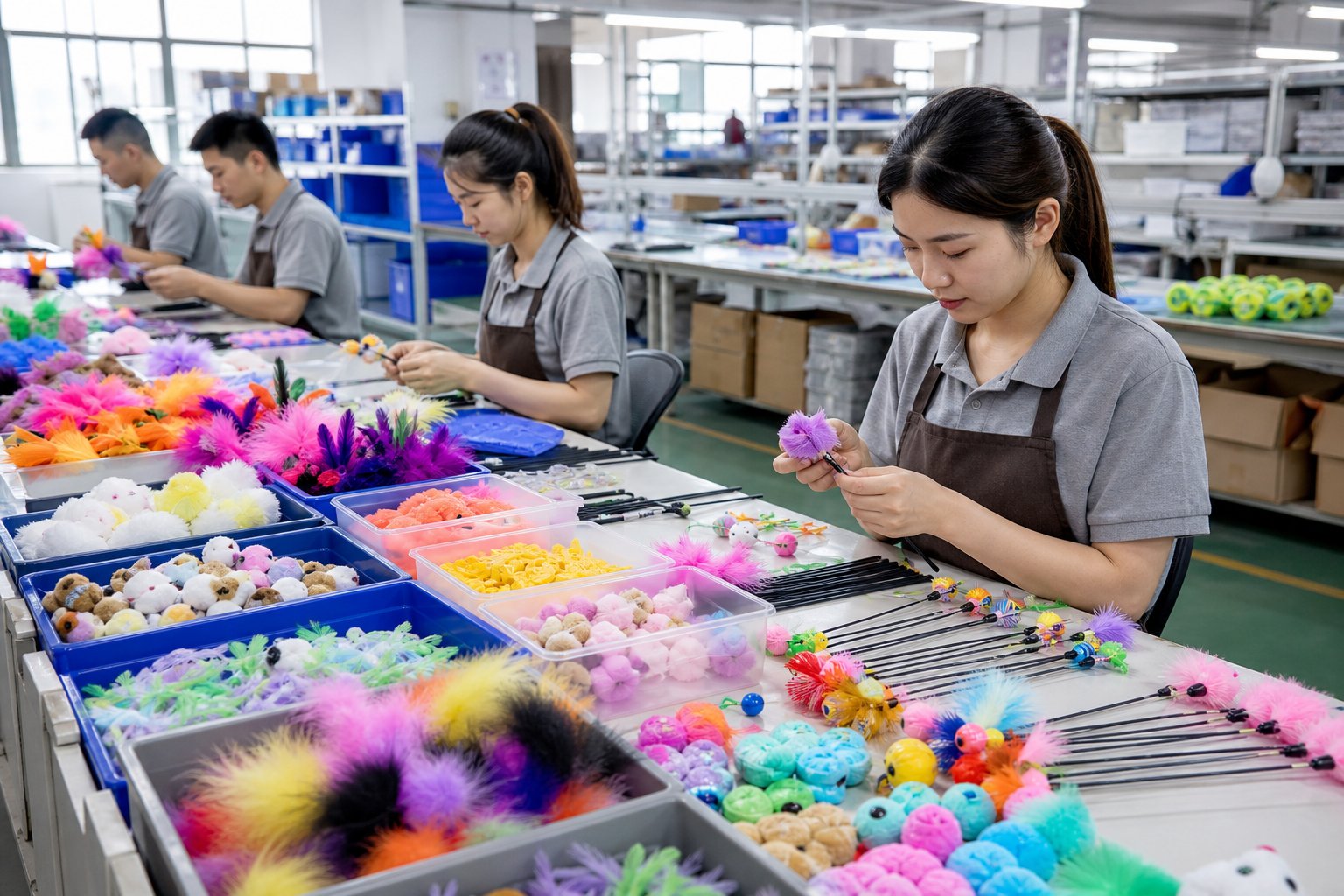
Shantou's industry authority identifies Chenghai as a plastic-toy manufacturing and trading cluster. For interactive pet toys, review the actual materials, accessible parts, moving mechanisms, battery compartment and durability evidence for the intended animal and use conditions.
Regional context: public authority references are linked below. Supplier selection still requires project-specific evidence.
Compare eight sourcing categories. Confirm the actual model, customization scope, minimum order, app dependencies and fulfilment eligibility before building an assortment.
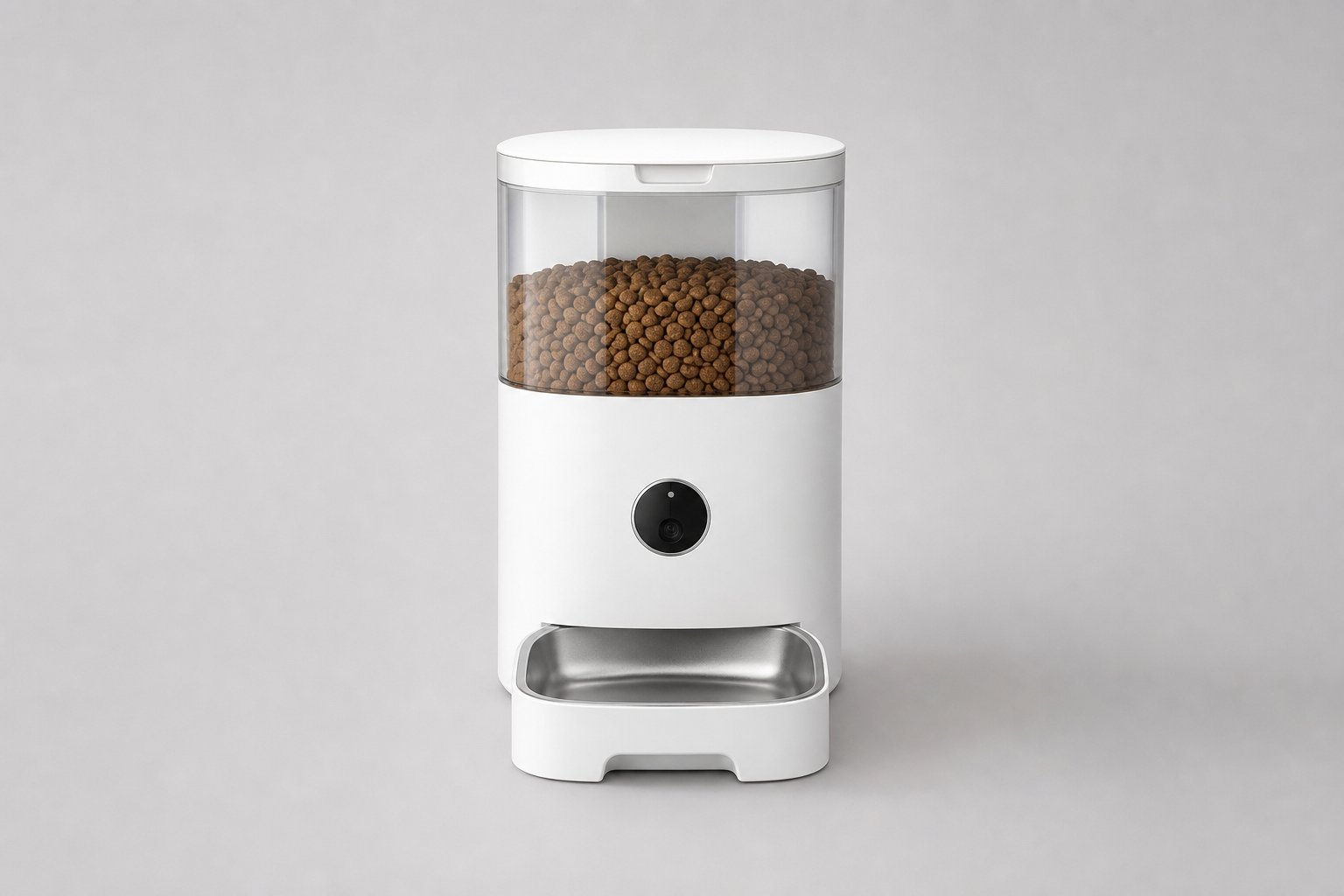
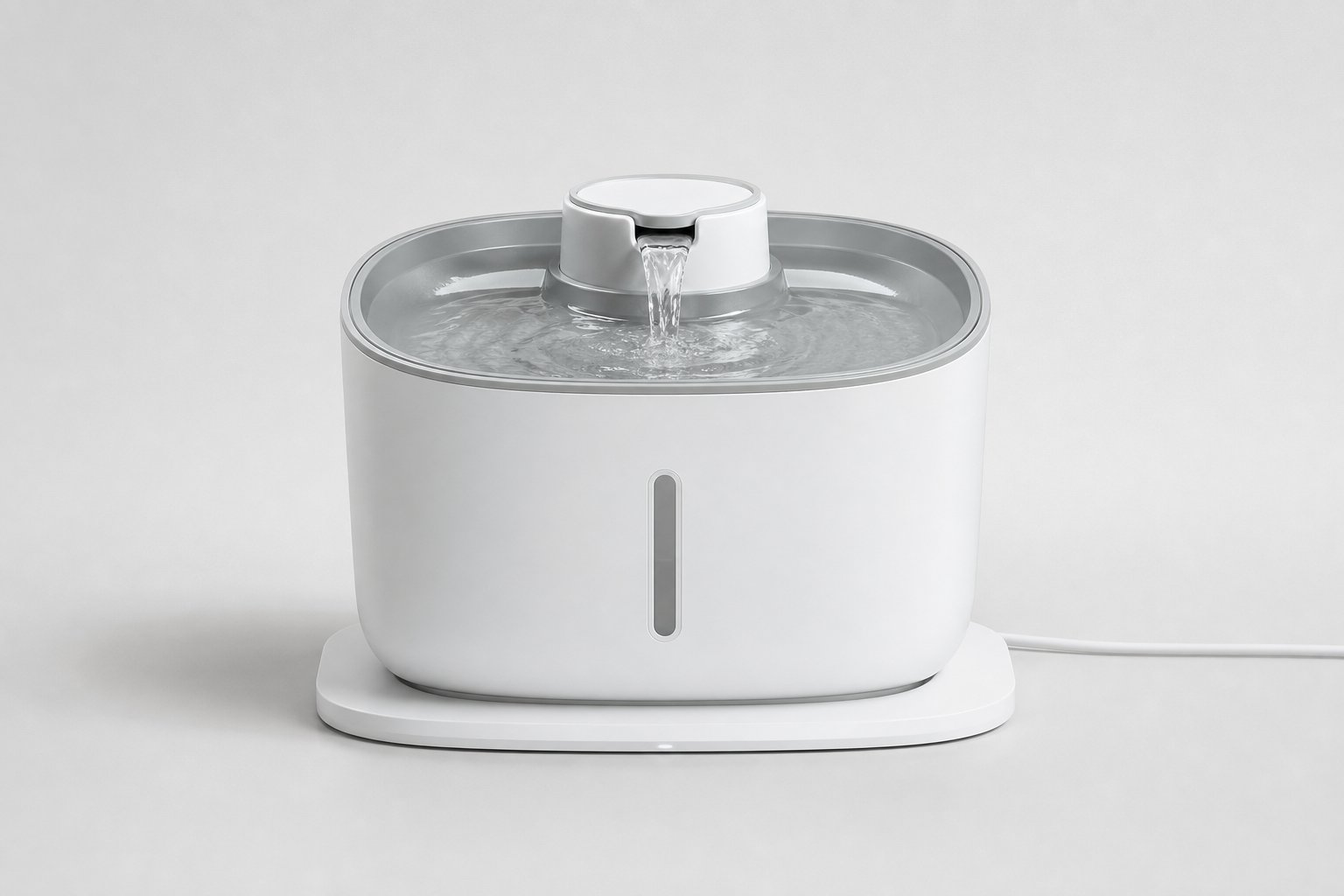
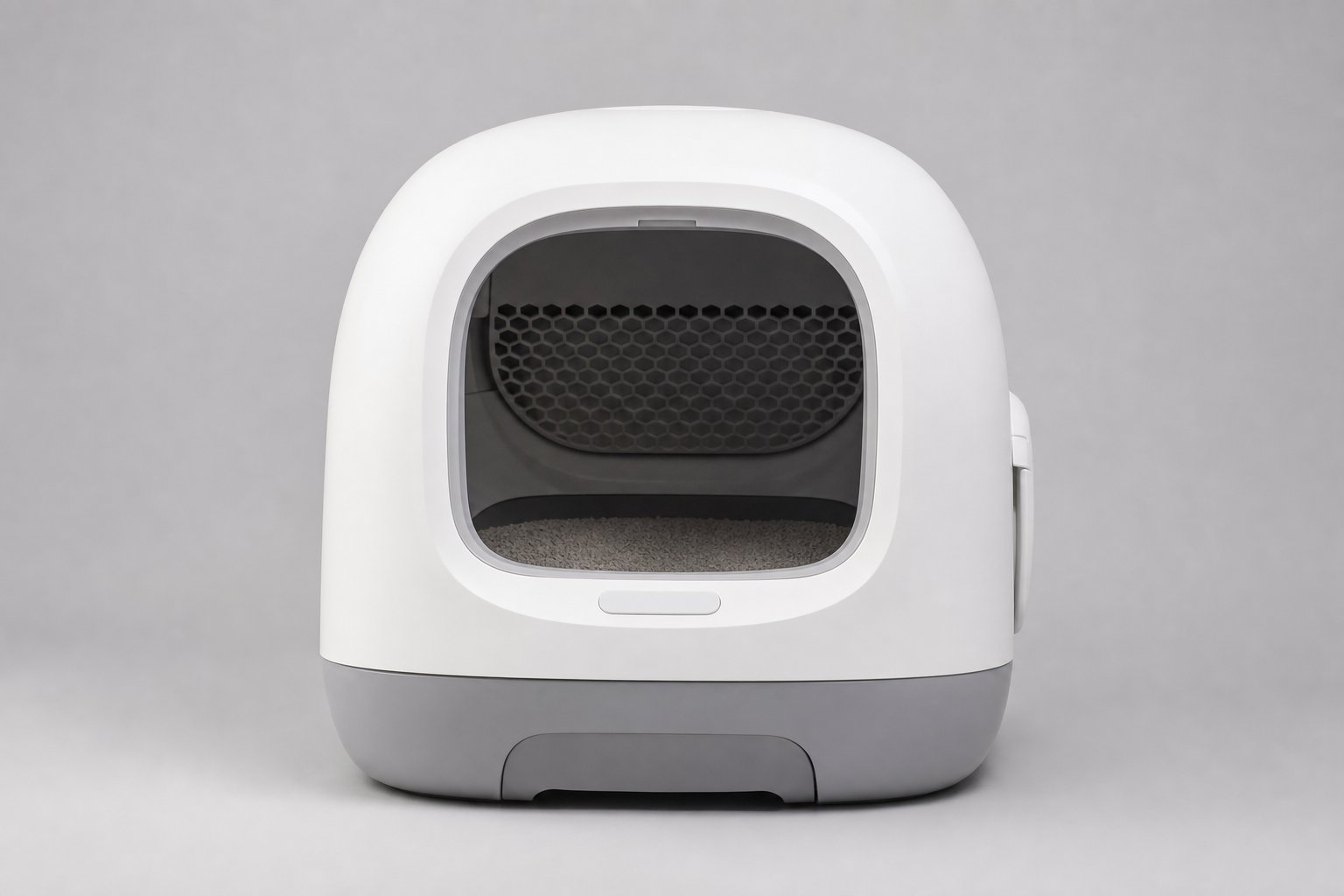
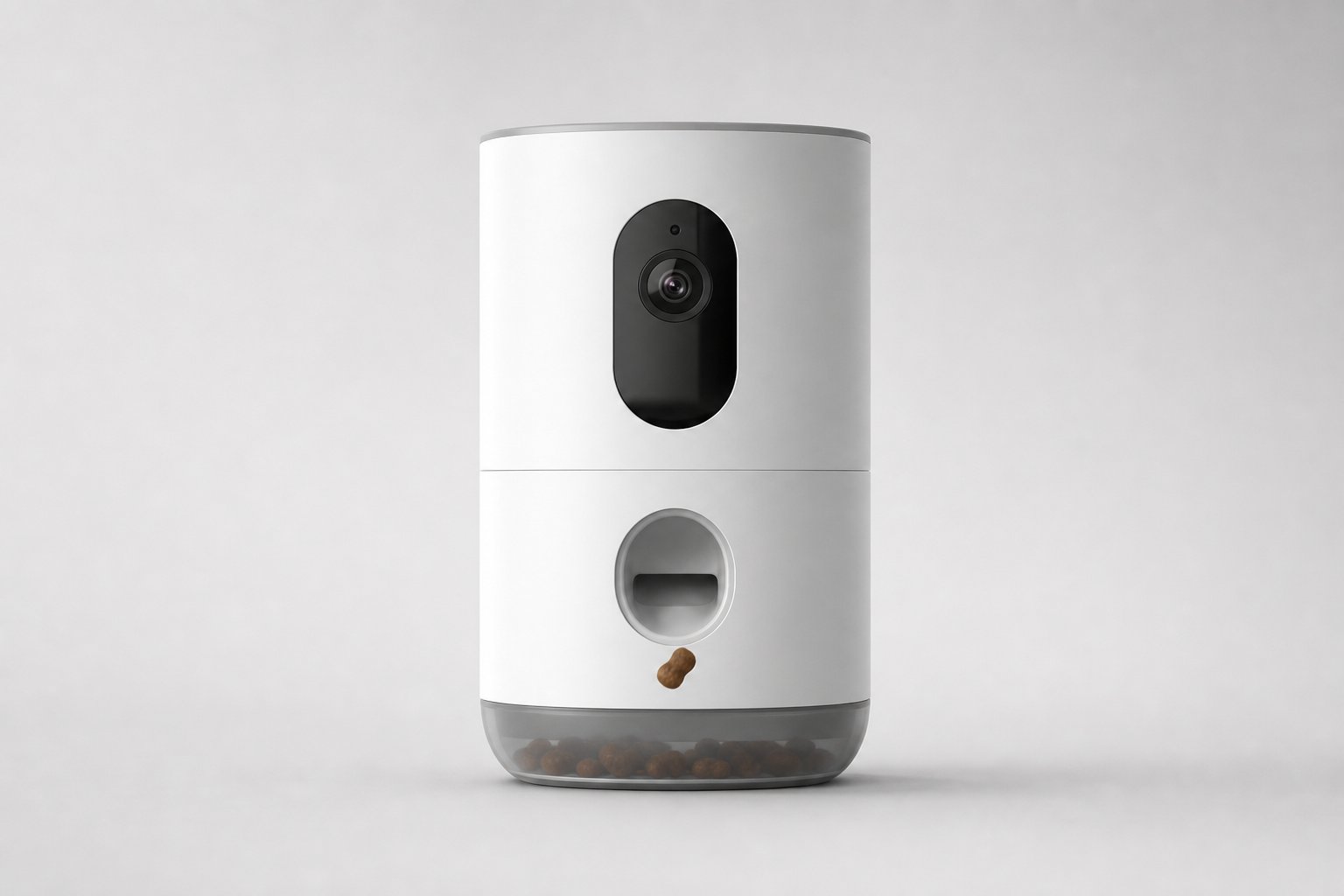

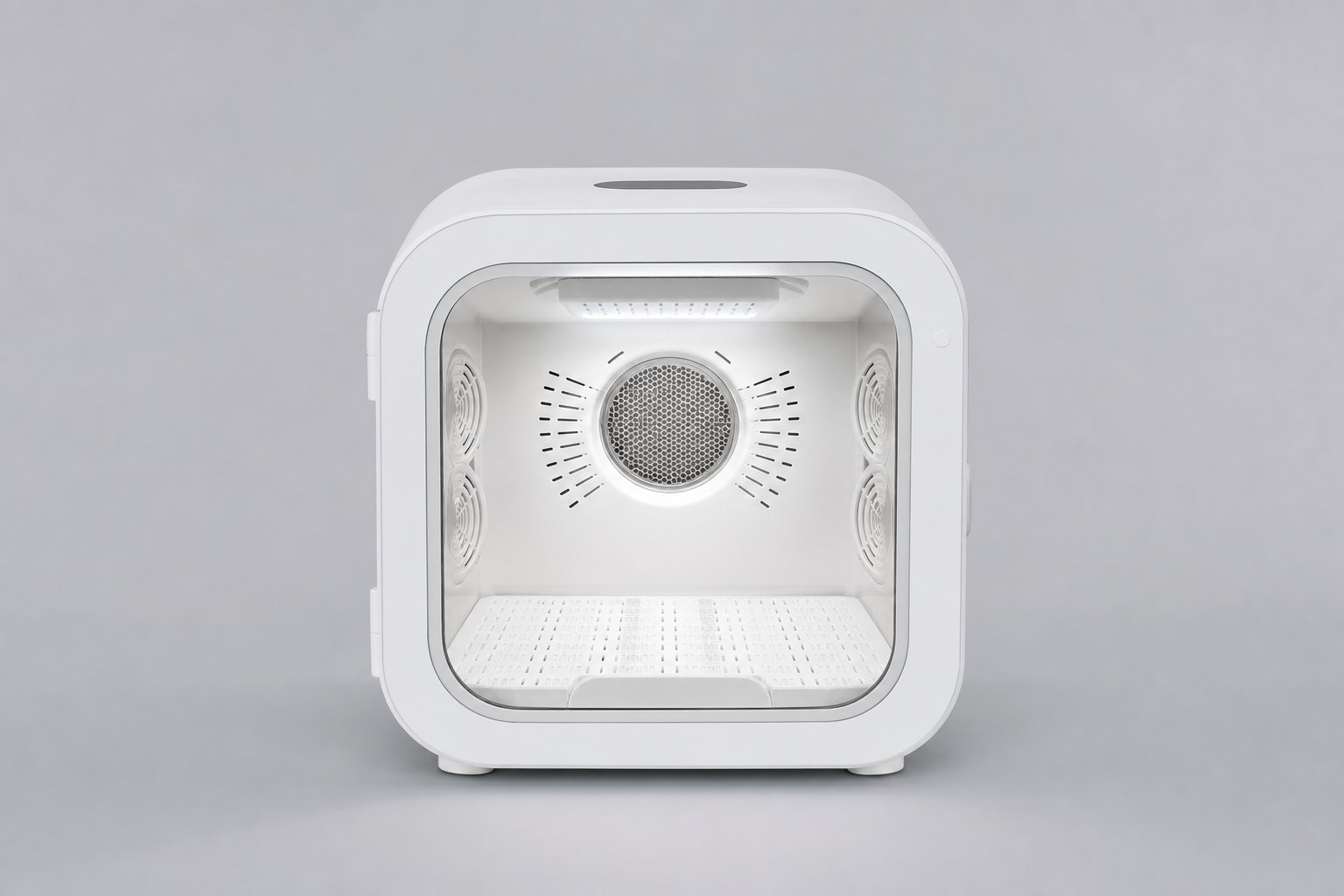
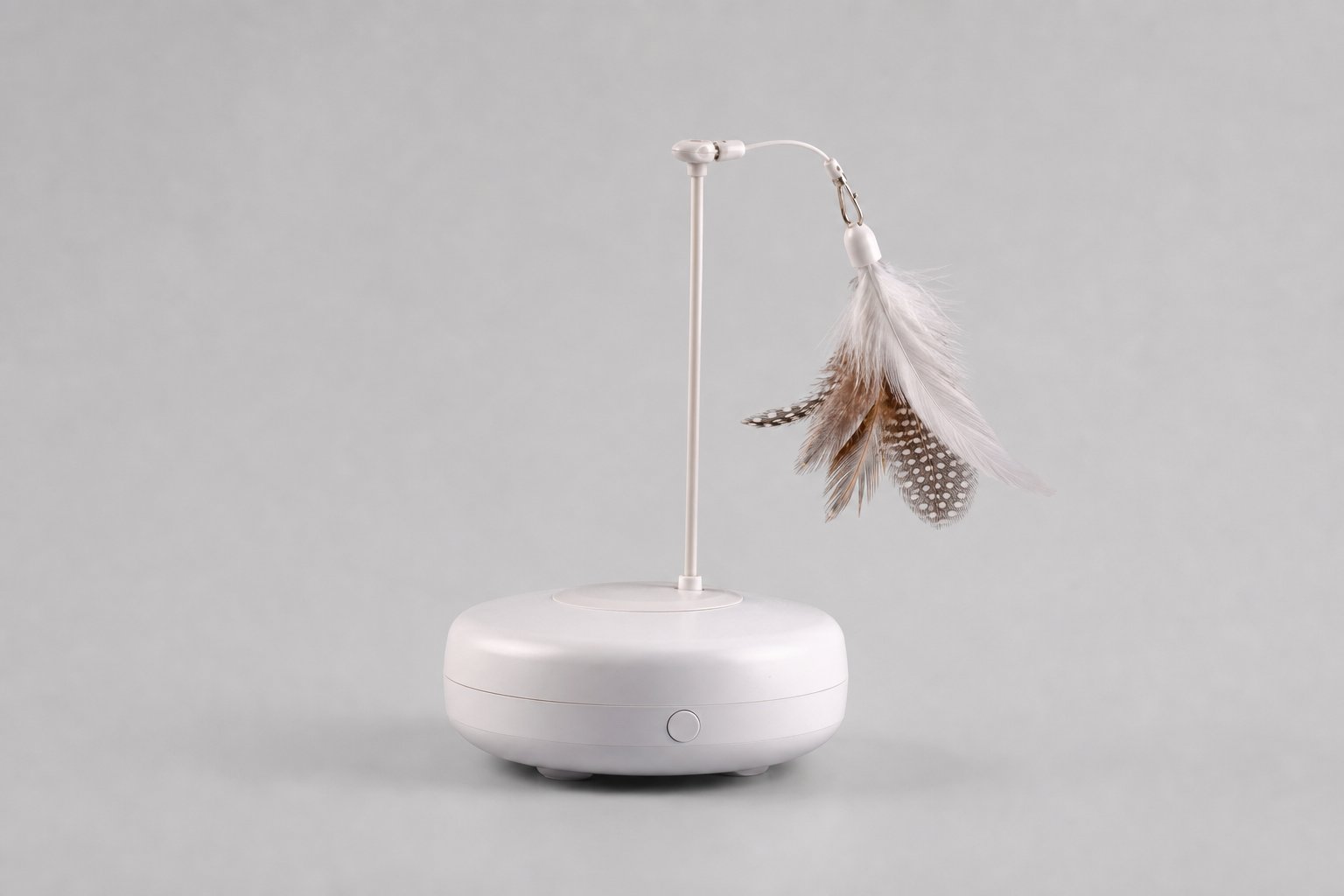
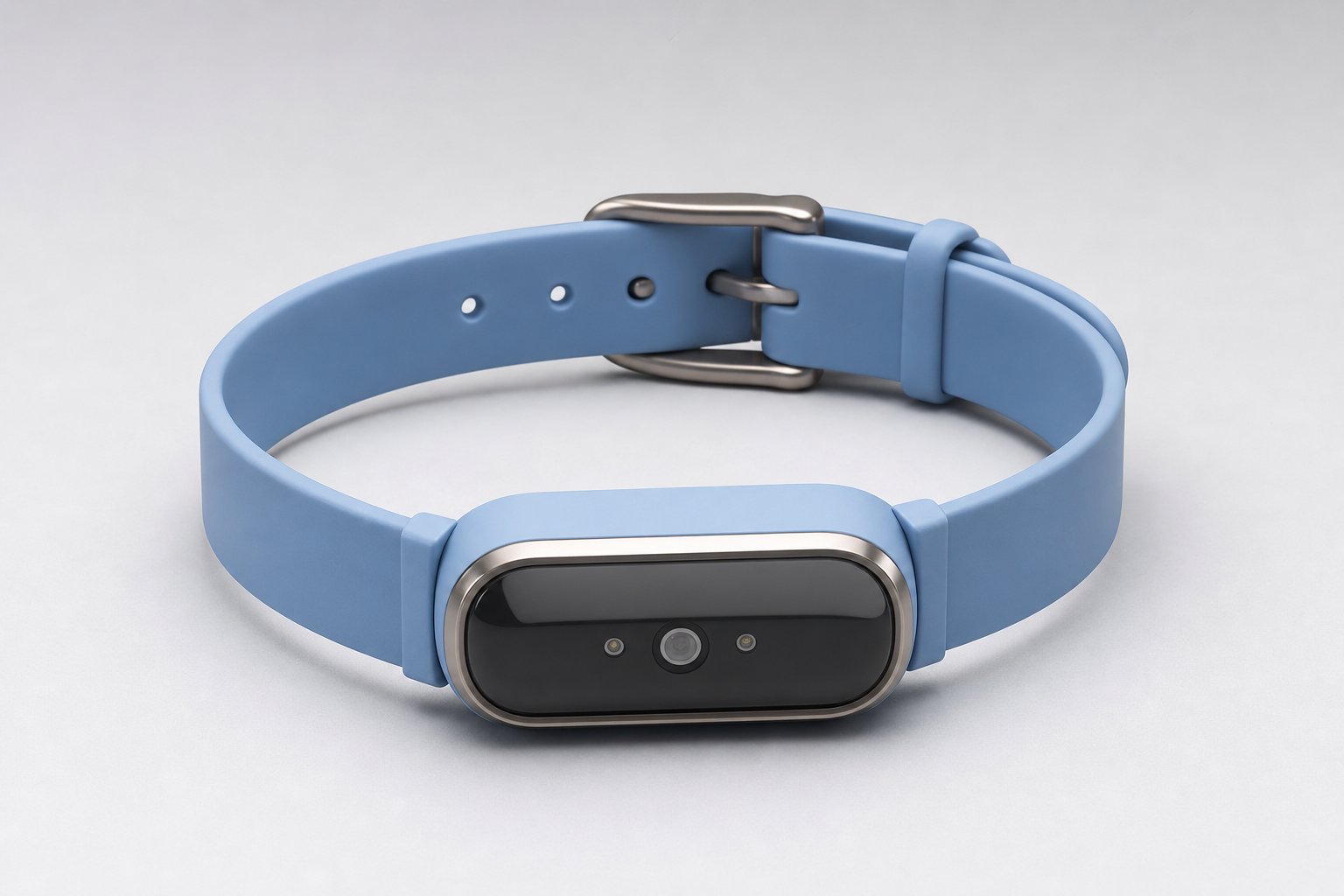
Product images illustrate category concepts. Confirm the supplied model, sample and specification before ordering.
Six procurement risks to resolve with the proposed manufacturer, software provider and fulfilment partner before approving an order.
Separate stock selection, logo changes and product development. Ask for minimum quantities by SKU, colour and packaging, with pilot charges, sample costs and replenishment assumptions itemized.
See the fixBuild a milestone plan around artwork, components, tooling, firmware, sample approval and production slots. Ask who owns each dependency and how changes affect the agreed ship date.
See the fixAgree sample and batch acceptance checks, failure evidence, spare-part references and a returns workflow. Confirm warranty scope, decision owner, costs and response arrangements for the actual order.
See the fixIdentify destination-market electrical, radio, materials, labelling and privacy requirements for the exact configuration. Battery type, packing and route need separate test-evidence and carrier-acceptance checks.
See the fixIdentify model and design references before listing or tooling. Define the scope of qualified intellectual-property review, responsible parties and any design changes; a supplier claim alone does not establish freedom to operate.
See the fixCompare a platform app such as Tuya with a custom-development proposal where available. Confirm provider accounts, fees, languages, update responsibility, data roles, access rights and exit arrangements before approval.
See the fixThe figures below describe different markets and populations. Use their dates and definitions when assessing demand; none measures PAWORIGIN sales or guarantees demand for a proposed SKU.
Sources checked 4 November 2026: GVR, APPA and FEDIAF. Keep market size, expenditure, household and animal counts separate. Further sourcing context: Supplier and regional research.
Compare unit cost, tooling, app or cloud fees, packaging, inspection, spare parts, freight and the quoted delivery term. Record currency, quantity tier and validity so two proposals can be compared on the same basis.
Confirm minimums per SKU, colour and packaging option. Ask which changes can use existing tooling, what the pilot proves and which costs recur when you reorder.
Match declarations, test reports, labels and manuals to the actual model, revision, holder and destination. Agree who supplies missing evidence; battery transport checks depend on configuration and shipment.
Set approval dates for specifications, artwork, tooling, firmware and samples. Confirm component availability, production slots and dispatch arrangements with the responsible parties before relying on a delivery date.
Check eligible stock SKUs, inventory owner, neutral-packaging options, order handover, tracking and returns. Any overseas stock, marketplace labelling or systems integration needs confirmation for the chosen provider and destination.
Specify the languages needed for the app, packaging, manuals and after-sales material. Agree translation ownership, terminology, screenshot versions and updates separately from the website's language selector.
Category, intended use, features, quantity and target market.
Compare electronics, app, tooling and packaging scope with itemized costs.
Review design files, proposed components and working samples against the brief.
Record physical or video review, unresolved tests and the approved specification revision.
Confirm the manufacturer, process locations, production plan and change-control owner.
Apply the agreed inspection plan; confirm documents, packing, delivery term and carrier route.

For direct dispatch or stock-based fulfilment, confirm product eligibility, inventory ownership, packaging, order handover, tracking, returns and replenishment. Assess any overseas-warehouse or marketplace service against the actual provider's coverage and charges.

Questions for certificate review, intellectual-property checks and sample assessment before supplier approval.
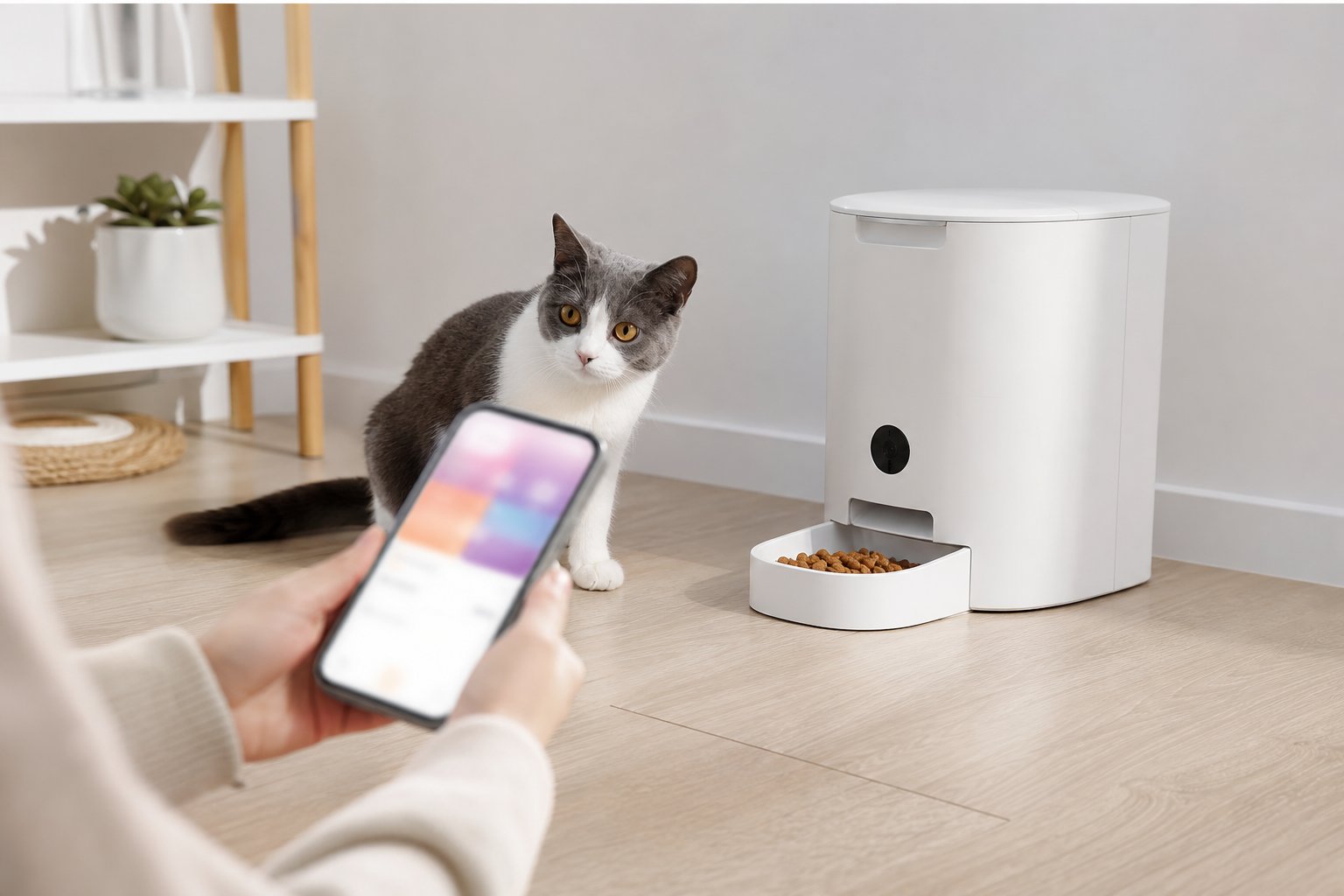
Compare development scope, ongoing fees, account access, data roles and update responsibilities.

Check the actual battery, equipment configuration, packing, transport documents and carrier route.
Share your category, intended use, target market, quantity, price expectations and required ship date so the sourcing discussion starts with a usable brief.
Procurement brief / B2B sourcing
For connected-pet brands and retailers planning hardware, app, consumables and support as one product.
Include target market, quantity, specification, packaging, compliance files and required ship date so the first reply can be actionable.